Why Indoor Portrait Photography Works So Well for Storytelling
Real Spaces, Real Context
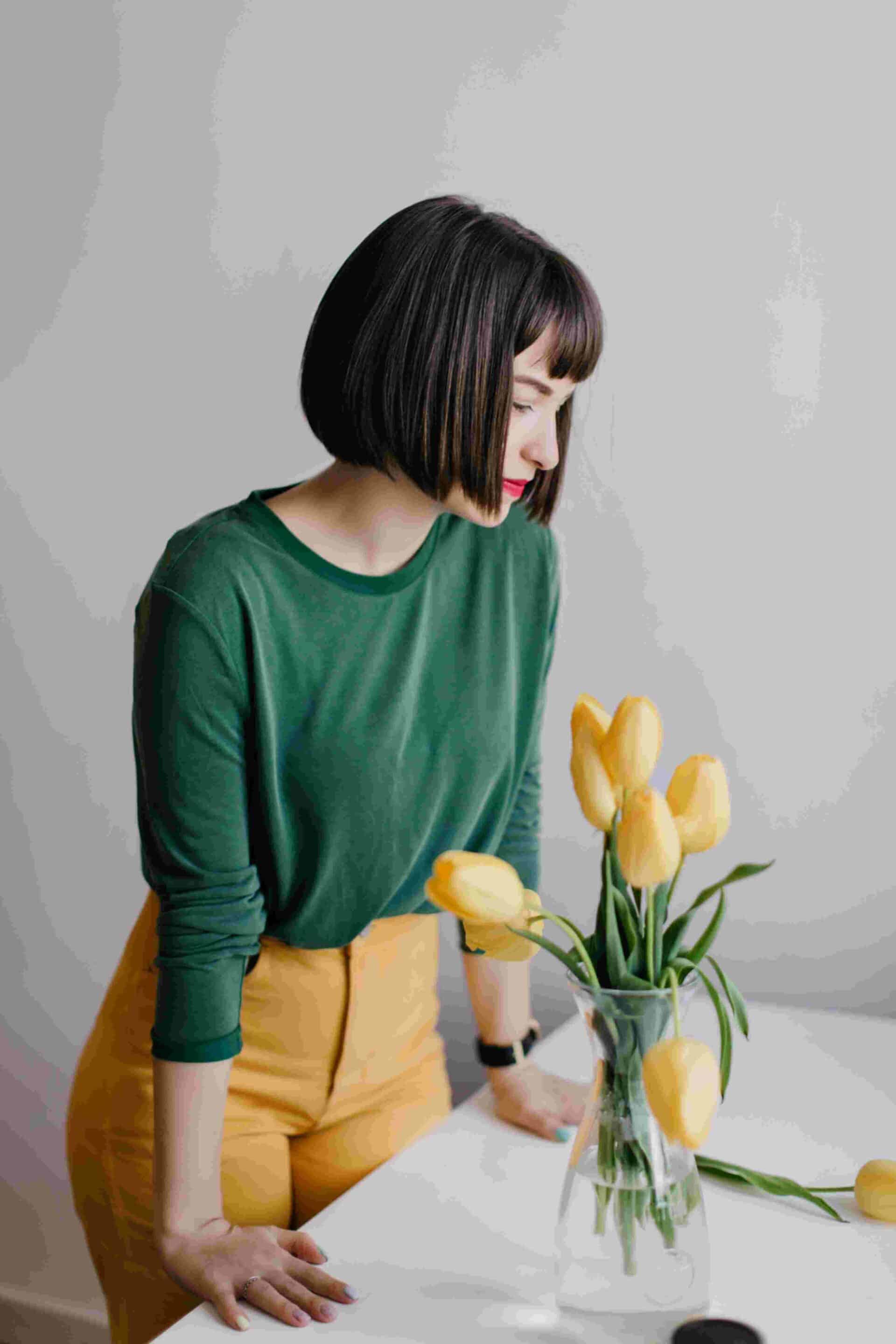
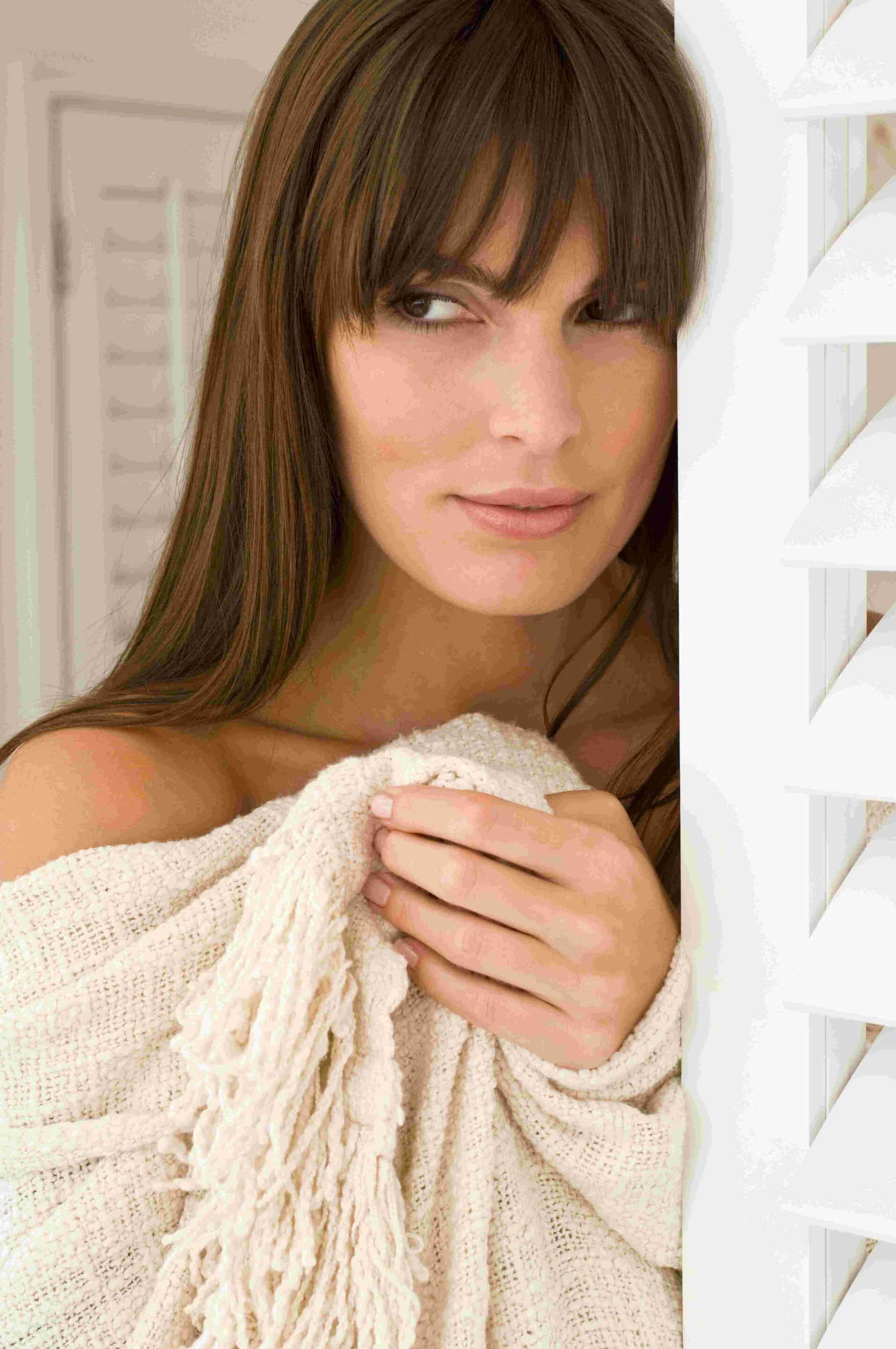
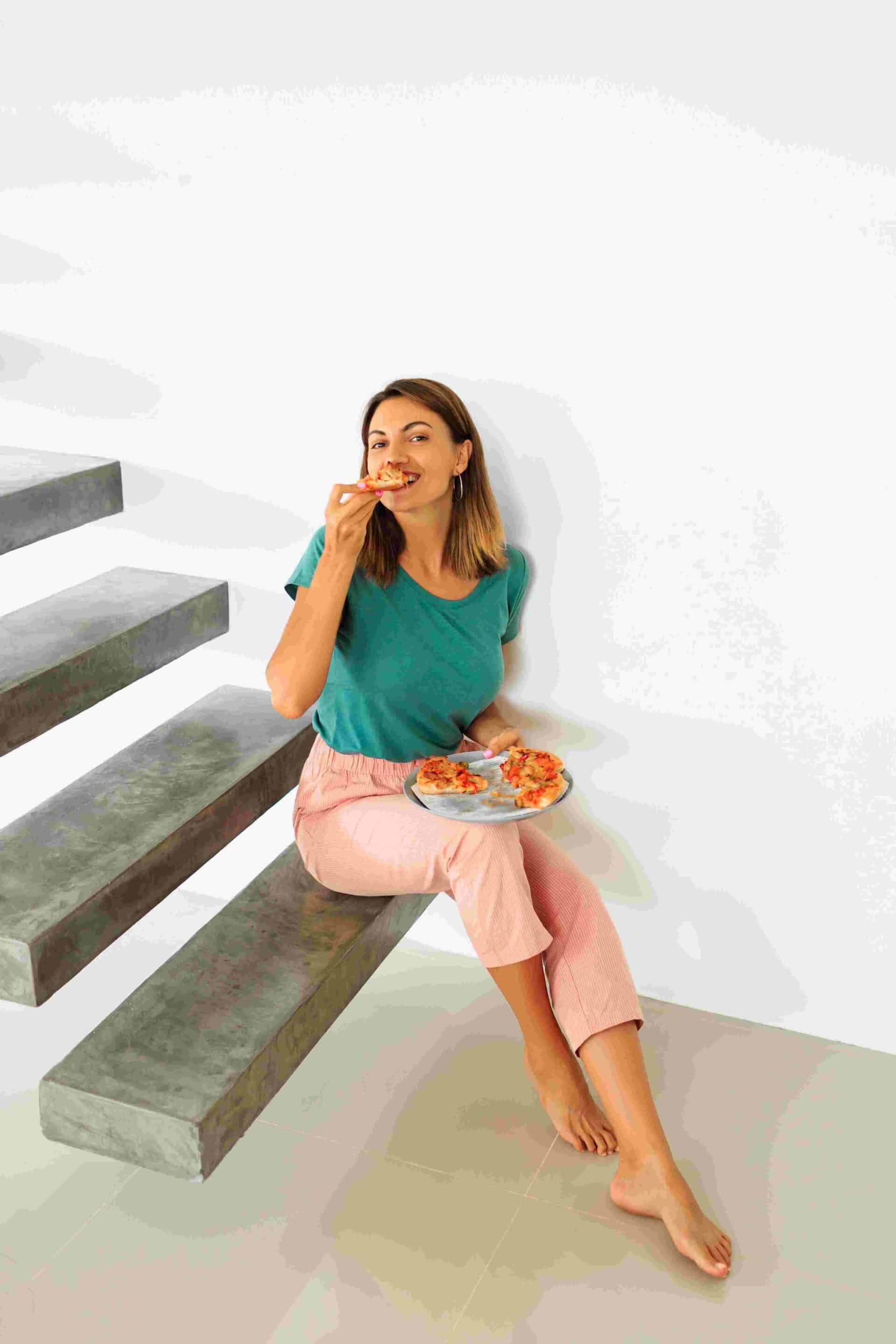
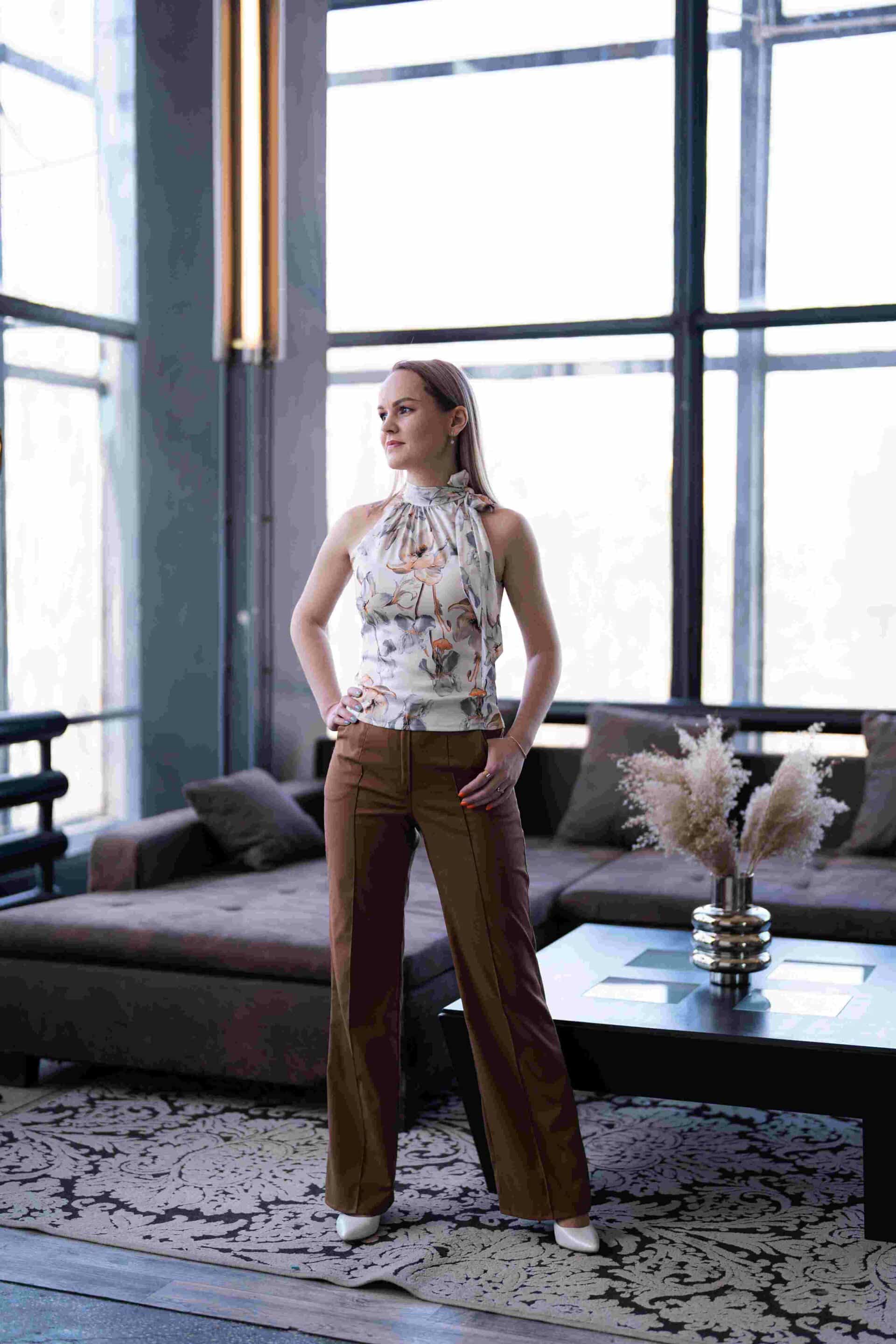
I’ve always felt more drawn to photographing people in real spaces – their homes, workspaces, or outside – rather than in a studio.
Studio portrait photography is built around control. You design the light, choose the background, shape every shadow, and remove anything that doesn’t serve the image. That kind of control can be powerful, and sometimes exactly what an image needs.
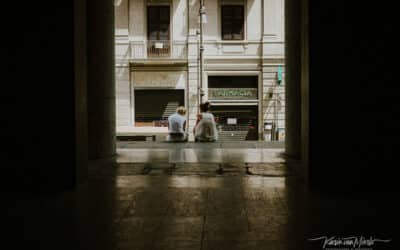
Indoor portrait photography starts from a different place. When you photograph someone in their own space, you’re stepping into a world that already exists. The light is already there. The objects are already there. So are the small, unremarkable details that say something about how someone lives or works.
💡 Read More: Outdoor Portrait Photography.
How People Show Up Indoors
But for me, the real difference isn’t just the environment. It’s how people show up within it. In a studio, someone is often very aware of being photographed. They’re placed in front of the camera and asked to perform, even if only subtly.
Indoors, people tend to feel safer and more at ease. They know the space – where to sit, where to stand, where the light falls at different moments of the day.
That familiarity often softens the way they show up in front of the camera, making it easier to photograph them as they are.
Free E-book
Is Auto Mode Holding You Back?
Your camera has so much potential—don’t let auto mode stop you from capturing stunning photos. Download the Free Starter Photography Playbook to break free and capture photos you’re proud of.
Different Approaches, Different Stories
One approach isn’t better than the other; they simply tell different kinds of stories. Studio portraits often feel deliberate and polished. Indoor portraits tend to feel lived-in, shaped as much by presence as by intention.
Indoor portrait photography is also one of the most accessible ways to start working with people. You don’t need a studio, elaborate lighting, or perfect conditions.
A window, a familiar space, and time to observe are enough – and in many professional situations, that’s exactly what you work with. Whether you’re photographing your family, friends, co-workers, or building a personal project, indoor portraits offer a way to practice storytelling with the tools you already have.
💡 Read More: Brand Photography for Beginners: How to Start Shooting Stories That Feel Real
Of course, photographing people indoors comes with its own challenges: limited space, less light, cluttered backgrounds, and mixed lighting conditions. And those challenges are exactly what makes indoor portrait photography interesting.
You might be wondering:
- How do you create natural-looking portraits indoors?
- How do you work with window light?
- What camera settings make sense inside?
Let’s get started.
#1. Connect with People
Everything Starts Here
Most people feel slightly uncomfortable being photographed, even in their own home. Being indoors doesn’t automatically change that. It’s tempting to think that giving someone a pose will help, but often the opposite is true.
The moment you start posing someone – adjusting hands, correcting posture, moving shoulders – their attention shifts away from how they feel and toward how they look. Indoors, where the atmosphere is already more intimate, that shift becomes even more noticeable.
Presence Over Posing
Storytelling indoor portraits aren’t created by telling people how to stand.
They’re created by giving people the space to be themselves.
One thing I always do is bring out my camera immediately, so it becomes part of the room. But I don’t start photographing right away. First, we talk. I ask simple questions and actually listen to the answers. There’s no rush to make images.
Creating a Sense of Time
The goal is to help people relax, and that starts with how you carry yourself. It’s important to communicate – quietly, through your behaviour – that you have all the time in the world. The moment someone feels you’re rushing, they’ll tighten up.
You don’t need to photograph constantly. Lower your camera from time to time and show your face.
You can shoot less, as long as it’s with intent. Allow moments to unfold without interrupting them. Often, the strongest images appear when nothing obvious is happening.
Trust over Control
Connecting with people requires patience – and trust, both in your subject and in the process. When you let go of control, the portraits you create tend to feel more human, more layered, and more true.
💡 Read More: Top 8 Candid Photography Tips for Stunning Photos
#2. Read the Space
Resist the Urge to Fix
There’s often a temptation to “fix” an interior before you start photographing. To tidy up, rearrange furniture, remove personal objects – to turn a lived-in room into something more polished.
But perfect interiors rarely make meaningful portraits. They remove the very details that say something about the person you’re photographing.
Presence Over Styling
Indoor storytelling portraits aren’t about designing a set. They’re about documenting presence. About noticing how someone occupies a space rather than how a space can be styled around them.
A cup left on the table, books stacked in a corner, a jacket thrown over a chair – these details aren’t mistakes. They’re context. They place your subject in their own world instead of a generic one.
Let the Space Lead
The most important mindset shift is this: when you photograph someone indoors, you’re stepping into their world. You’re not there to redesign it or control it.
You’re there to observe, respond, and translate what’s already there into a photograph.
Once you approach indoor portraits from that place, everything else – composition, light, and technical choices – starts to fall into place more naturally. The space stops being something to manage and becomes something to work with.
#3. Tell a Story
Look for the Quiet Moments
Indoor portraits naturally lend themselves to storytelling. The space already carries information – about habits, personality, and mood. You’re not trying to tell someone’s entire life story; that would be impossible.
But you can capture a feeling, a state of being, or a quiet moment that reveals something truthful.
Notice Body Language
Pay attention to posture, subtle gestures, and the expressions that unfold naturally. Often, the in-between-moments are the most meaningful. A relaxed face tells a deeper story than a forced smile, and hands – resting, holding, or fidgeting – can say more than expressions alone.
Not every indoor portrait needs to include a face; sometimes the story lives entirely in a gesture or in the way someone occupies a familiar space.
Pause, Breathe, and Connect
If your subject feels tense, small pauses help them reconnect with themselves rather than the camera.
Ask them to look away, close their eyes, or simply take a breath. These quiet moments, combined with the subject’s connection to the space, often produce the most genuine and alive portraits.
Use the Space to Tell the Story
Indoors, the background becomes part of the narrative whether you like it or not. How you treat it depends on the story you want to tell.
For close-up portraits, a calm, uncluttered background – a plain wall, curtains, or a softly lit corner – keeps the focus on the face.
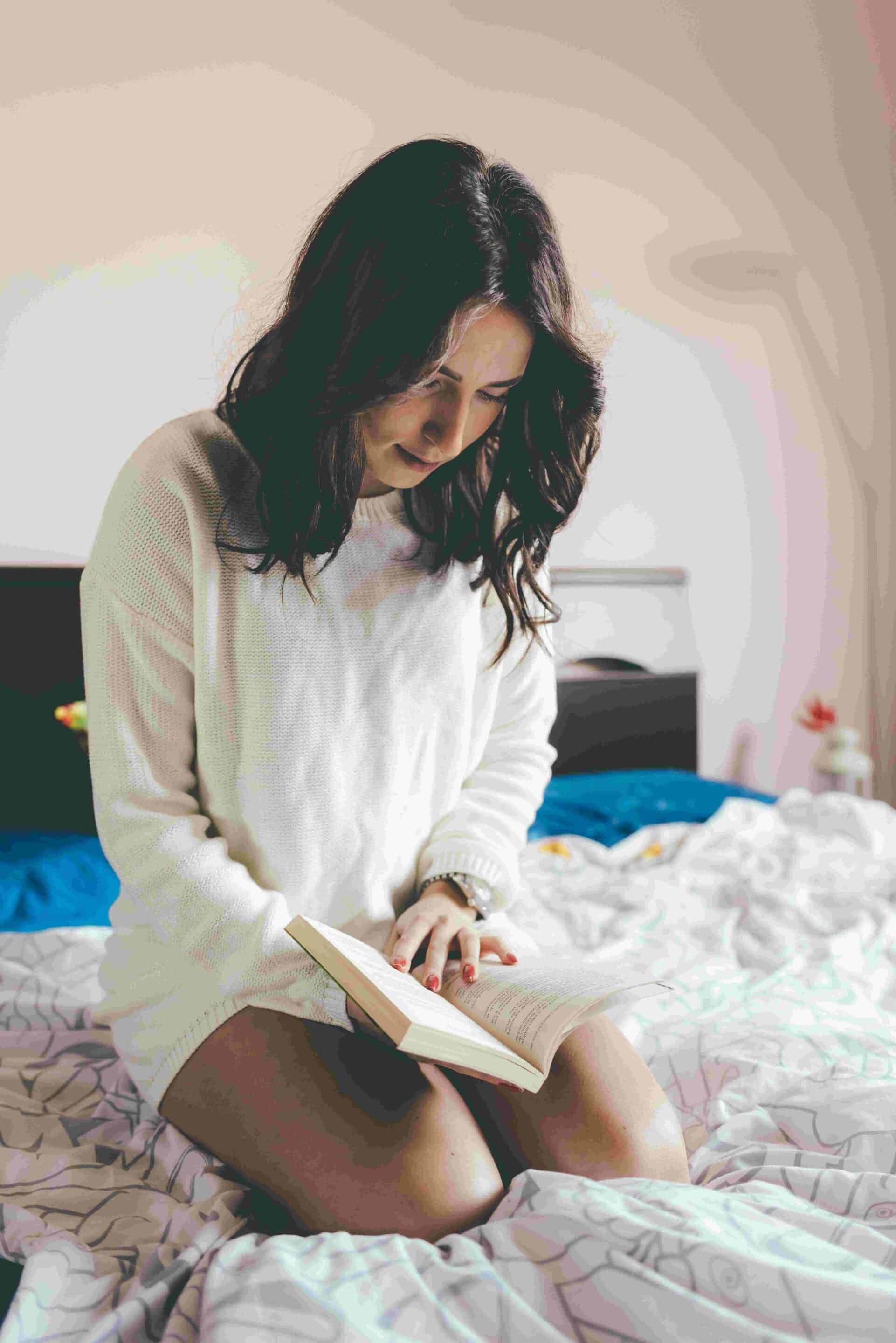
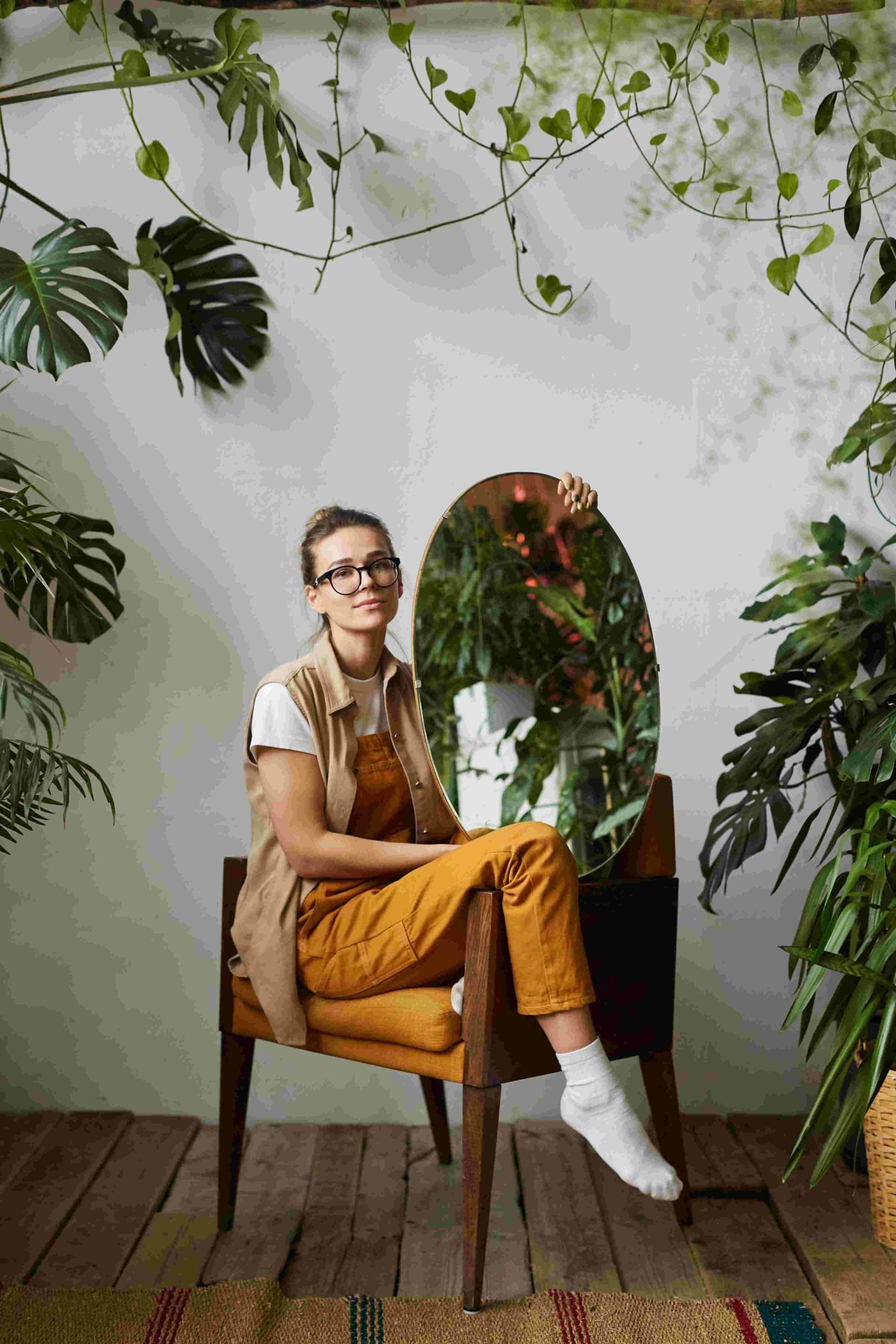
For environmental portraits, the space itself matters. A kitchen, bedroom, studio, or workspace reveals habits, passions, and personality. In these images, the background doesn’t just sit there – it actively contributes to the story.
Consider Mood
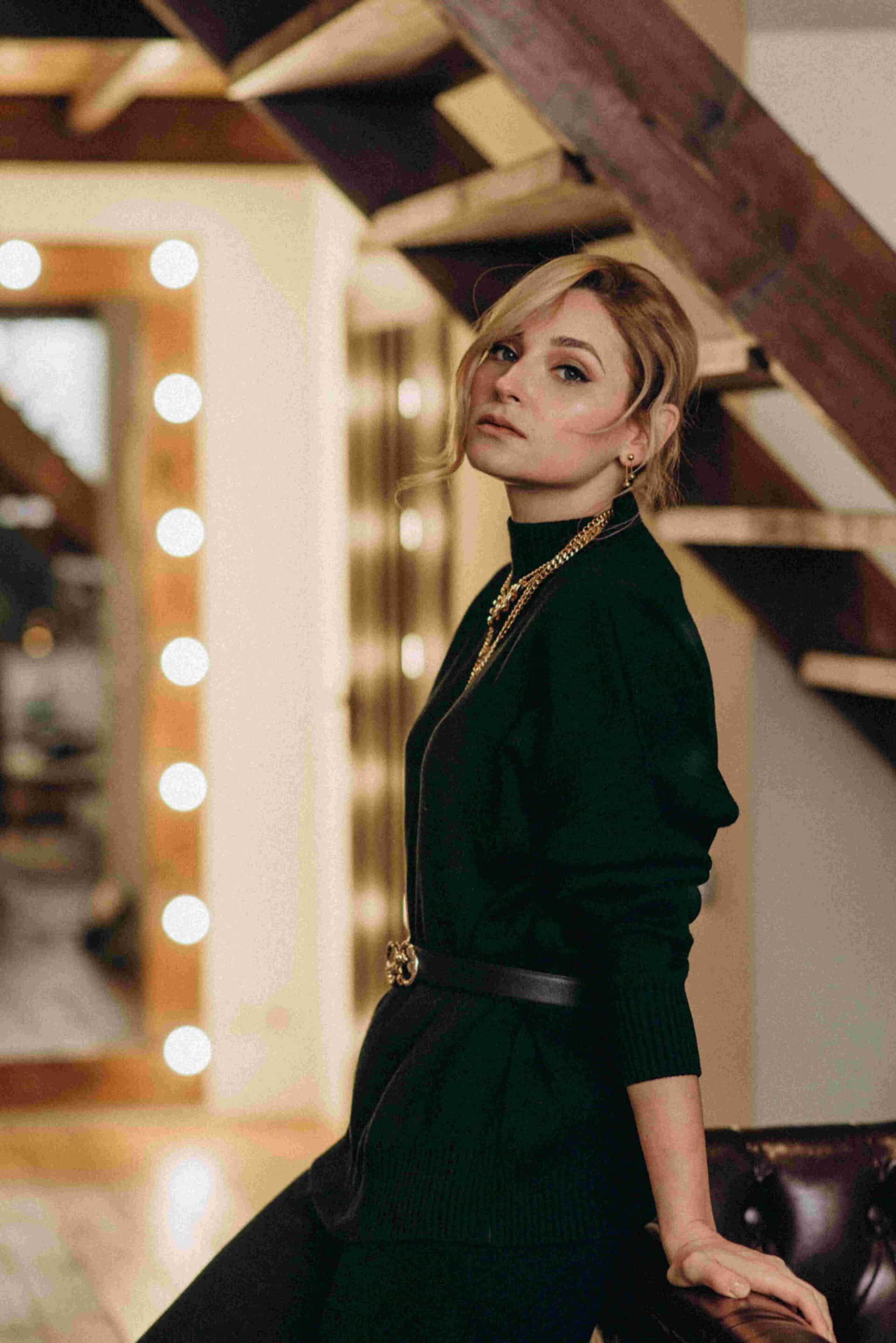
Mood is inseparable from storytelling. Soft, diffused light, warm tones, or quiet shadows create calm and intimacy. A cluttered corner, dramatic light, or an unusual angle can add tension, curiosity, or energy. Let the environment, posture, and light work together to set the emotional tone of the portrait.
None of these elements are accidental. By paying attention to how the environment, posture, and light interact, you decide how the emotional tone of the portrait unfolds.
#4. Embrace Available Light
Light as Atmosphere
Indoors, light is rarely abundant or even – and that’s exactly what makes indoor portraits feel real.
The goal isn’t to eliminate shadows or create technically flawless light, but to work with what’s already there in a way that supports the story.
There’s no such thing as good or bad light, only light that fits – or doesn’t fit – what you’re trying to express.
Window Light as Your Main Tool
In most indoor situations, window light will be your primary source. Sometimes it’s strong and directional, other times soft and barely noticeable.
Before thinking about camera settings, take a moment to notice where the light comes from, how intense it is, and how it falls across your subject. That awareness is the foundation of any good portrait.
Small Adjustments, Big Impact
Small changes go a long way indoors. A step closer to the window, a subtle turn of the face, or moving slightly away from the light can completely transform how it falls – all without interrupting the natural flow of the moment.
Minimal Artificial Light
Whenever possible, I turn off artificial lights. Mixing window light with lamps or overhead lighting introduces multiple color temperatures, which complicates white balance and can make skin tones harder to control.
That said, sometimes artificial light belongs in the frame – a warm bedside lamp, a desk light, or a soft glow in the background. In those cases, it becomes part of the story rather than something to fight.
Let Limitations Inspire
Working with available indoor light means accepting its limitations and using them intentionally.
Once you stop trying to control it, light becomes one of your strongest storytelling tools – embrace it and let it guide the story.
💡 Learn More: The Ultimate Guide To Mastering Natural Light Photography
#5.Use Composition Intentionally
Including & Excluding
Composition in indoor portrait photography is largely about what you include – and what you exclude.
Get a sense of the whole space before you start framing your subject. Ask yourself what feels essential to the story and what pulls attention away from it.
Not every background needs to be clean. But every element in the frame should have a reason to be there – even if that reason is subtle.
Move Yourself, Not the Subject
Instead of moving your subject, try moving yourself. A small shift to the left or right, a step closer or further away, changing your point of view by shooting from a lower or higher angle can remove distractions or bring important details into the frame.
Distance Changes the Story
Think carefully about how close you want to be.
Shooting wider includes context and gives insight into the environment your subject occupies. It shows how they relate to their surroundings.
Shooting tighter removes context and shifts the focus to emotion, gesture, and expression. One is not better than the other – they simply tell different versions of the story.
Work the Frame
Composition isn’t passive. I’m constantly working the frame – moving myself, changing my point of view, adjusting what’s included or excluded. That work creates the conditions for the moment to happen. Without it, there’s nothing to receive.
💡 Read More: 4 Essential Principles of Composition in Photography
Free E-book
Is Auto Mode Holding You Back?
Your camera has so much potential—don’t let auto mode stop you from capturing stunning photos. Download the Free Starter Photography Playbook to break free and capture photos you’re proud of.
#6. Keep Gear Simple
Present & Unobtrusive
When it comes to indoor storytelling portraits, gear should support the experience – not dominate it. Small cameras and prime lenses help you stay present and unobtrusive.
The less technical noise you introduce into the space, the more natural the interaction becomes.
Why Prime Lenses Work Indoors
Prime lenses are a natural fit for this kind of work. A fixed focal length forces you to move, to pay attention to distance and perspective, and to make deliberate choices. Zoom lenses can be convenient, but they often encourage staying in one spot and reacting instead of engaging.
Let the Space Guide Your Lens Choice
Lens choice indoors is closely tied to the space you’re working in. Wide, open rooms give you more freedom, but many interiors are tight and don’t allow much distance between you and your subject.
That’s why 35mm and 50mm lenses tend to be the most versatile indoors. They adapt easily to smaller rooms while still offering enough separation to keep the focus on your subject.
Longer focal lengths like 85mm or 135mm can be beautiful for close-up portraits, but they require space. Without enough room to step back, they quickly become impractical.
Less Gear, More Presence
What you don’t need is just as important as what you bring. You don’t need multiple bodies, heavy lighting setups, or complicated rigs. These additions tend to pull attention away from the person and toward the process.
The simpler your gear, the easier it is to stay focused on what actually matters: the human in front of your lens.
#7. Camera Settings for Indoor Portrait Photography
Shoot RAW – Always
Indoor portrait photography almost always means working with less-than-ideal light. That’s why shooting in RAW is non-negotiable. You need the flexibility a RAW file gives you – especially when dealing with mixed light, higher ISO values, and subtle tonal shifts. It gives you room to make decisions later without locking yourself in too early.
💡 Read More: White Balance in Photography: Beginner’s Guide to Natural Colors
If this feels like a lot to take in right now, you don’t need to master it all at once – the Starter Photography Playbook is a good place to begin, especially if you’re still getting comfortable with camera settings.
Don’t Be Afraid of High ISO
High ISO is often treated like a flaw, but indoors it’s simply a tool.
Raising your ISO gives you creative freedom when it comes to shutter speed and aperture. And again, this is where shooting RAW matters. Most of the noise that comes with higher ISO can be managed in post, while motion blur or missed focus cannot be fixed later.
Shutter Speed: Protect the Moment
Shutter speed becomes especially important indoors, where light levels are lower and movement is subtle. Small gestures – a shift in posture, a hand moving, a slow turn of the head – all benefit from a shutter speed that’s fast enough to keep the moment sharp.
I always tell my students to aim for 1/250 or faster. It gives you a safety margin without forcing you into overly extreme settings.
Aperture and Story
Aperture plays a key role in how the story reads.
A wider aperture, around f/4, doesn’t just create background blur. It isolates, simplifies, and pulls the viewer inward. It works well for intimate portraits where emotion, expression, and presence matter more than environment.
A smaller aperture, around f/8, keeps more of the space in focus and allows the environment to actively contribute to the image. It’s a natural choice when the relationship between the person and their surroundings is part of the story.
There’s no “correct” aperture indoors – only the one that supports what you’re trying to say.
Final Thoughts
There’s no formula for meaningful indoor portrait photography. It begins with connection – everything else follows from there.
Light, composition, settings, and gear choices start to make sense once they’re guided by the story you want to tell, rather than by technical rules.
Indoor portraits don’t need to be perfect, polished, or carefully styled. They work best when they feel natural and honest – when they reflect how someone actually inhabits a space.
Trust the space. Trust the process. And above all, trust the human in front of your lens.
👉 If you have questions, thoughts, or experiences with indoor portrait photography, feel free to share them in the comments.
I share more about this way of working – including practical insights, behind-the-scenes thoughts, and everyday observations – on Instagram at @photography_playground.
Free E-book
Is Auto Mode Holding You Back?
Your camera has so much potential—don’t let auto mode stop you from capturing stunning photos. Download the Free Starter Photography Playbook to break free and capture photos you’re proud of.


Thank you for all the advice. Even a total beginner at 68 ,I can follow your words without getting confused.
That makes me very happy 😀
keep Sharing. Have a good day.
Thank you! You too 🙂